
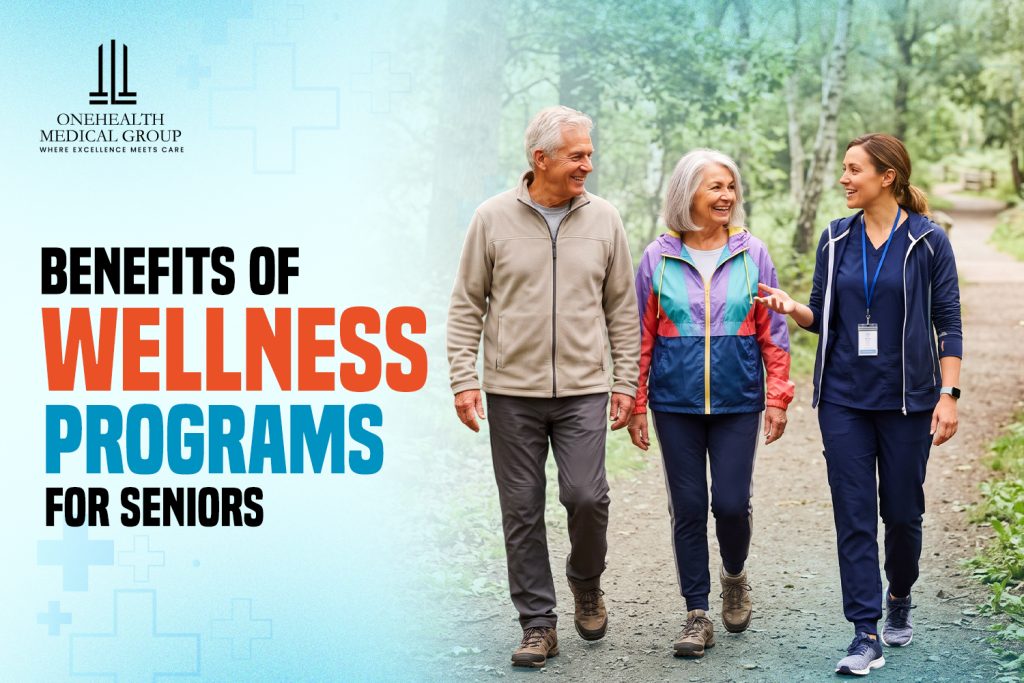
Staying healthy and independent becomes increasingly important as you get older. Aging is about more than managing existing health conditions.
Wellness programs for seniors can bring different areas of health together to support a healthier, more active life.
These programs may include physical activity, nutrition guidance, social activities, health education, and preventive care. Some may also provide support from physicians or other health professionals.
Together, these services can help older adults stay engaged in their health and daily lives. They can also support mobility, mental well-being, and social connection.
Not every program will be right for every person. The best option should reflect an individual’s health status, abilities, goals, and medical needs.
Understanding the benefits, available services, and factors to consider can help older adults and their families make informed choices about wellness and healthy aging.
What Are Senior Wellness Programs?
Senior wellness programs are structured geriatric care designed to support older adults’ physical, mental, emotional, social, and preventive health needs.
Rather than focusing on one area of health, they take a broader approach to healthy aging. The services can look different from one program to another.
The services offered depend on each program and the needs of the people it serves. The following are the services included in wellness programs for older adults:
- Exercise and mobility activities: Walking groups, balance exercises, and strength training to support movement and everyday function.
- Nutrition and lifestyle guidance: Education on balanced eating, healthy routines, and habits that support overall well-being.
- Social and recreational activities: Group outings, games, creative sessions, and community events that encourage social connection.
- Cognitive and educational activities: Reading groups, puzzles, discussions, and learning opportunities that keep older adults mentally engaged.
- Preventive care and health screenings: Routine screenings to help identify potential health concerns.
- Chronic condition support: Ongoing guidance for managing conditions such as diabetes, high blood pressure, and heart disease alongside medical care
- Emotional wellness and stress management: Activities and support that help seniors cope with everyday stress and maintain emotional well-being.
- Physiotherapy and rehabilitation: Professional support to address mobility limitations, recovery needs, or physical difficulties when appropriate.
- Assisted living services: Help with daily activities, such as bathing, dressing, and meal preparation, for seniors who need additional support while maintaining as much independence as possible.
Why Wellness Matters More as You Age?
As you get older, maintaining your strength, managing health conditions, and staying socially connected can take more effort. Healthy aging programs can help older adults address these needs while supporting their well-being and independence.
Several changes make regular attention to health and daily functioning very crucial:
Changes in strength and mobility
Age-related changes in muscle strength, flexibility, and balance can make everyday tasks harder and increase fall risk.
Ongoing health conditions
Conditions such as diabetes, high blood pressure, and heart disease may require regular monitoring, lifestyle adjustments, and continued medical care.
Preventive health needs
Routine checkups and age-appropriate screenings can help identify certain health concerns early and guide follow-up care.
Mental and emotional well-being
Retirement, bereavement, or changes in daily routines can affect emotional health. Meaningful activities and social interaction can help older adults stay engaged.
Social connection
Regular contact with family, friends, and community members can help older adults feel connected and reduce feelings of isolation.
Changing daily care needs
Difficulty bathing, dressing, preparing meals, or managing medications are signs that older adults may need assisted living. Recognizing these changes can help families discuss suitable support options.
8 Key Benefits of Wellness Programs for Seniors
Staying healthy as we age involves more than medical care. Mobility, social connections, and emotional well-being matter, too.
Senior well-being programs address these needs through activities and personalized support. They can also help older adults manage changing health needs.
Here are 8 benefits of elderly wellness programs:
1. Supports Strength, Mobility and Balance
Wellness programs help seniors maintain strength, improve balance, and move more comfortably through guided exercises suited to their abilities.
- Strength training: Helps maintain muscle strength for everyday tasks, such as climbing stairs or getting up from a chair.
- Balance exercises: Improve stability and may reduce fall risk.
- Walking and stretching: Support flexibility, mobility, and comfortable movement.
- Physiotherapy for seniors: Provides personalized guidance for movement difficulties and physical limitations.
- Daily independence: Regular practice can help seniors continue everyday activities with greater confidence.
2. Encourages Preventive Health and Early Detection
Regular health checkups help seniors stay informed about their health, even when they feel well. Wellness programs support preventive health for seniors by encouraging routine appointments and age-appropriate screenings.
- Routine checkups: Allow physicians to review overall health and address new concerns.
- Age-appropriate screenings: Help identify certain health conditions before noticeable symptoms develop.
- Health monitoring: Tracking indicators such as blood pressure and blood sugar can help identify changes that may need medical attention.
- Personalized prevention plans: Physicians can recommend follow-up tests, lifestyle changes, or other steps based on individual risk factors and medical history.
- Ongoing guidance: Regular discussions with a healthcare professional help seniors understand their results and decide on the next steps.
3. Helps Manage Chronic Health Conditions
Living with a long-term health condition often means making small adjustments to daily routines. Wellness programs support chronic disease management for seniors alongside regular care.
The support may be especially useful for conditions such as diabetes, high blood pressure, heart disease, osteoporosis, and high cholesterol.
- Physician monitoring: Helps track changes in a person’s condition and adjust care when needed.
- Lifestyle guidance: Offers practical advice on nutrition and daily habits that fit individual health needs.
- Suitable physical activity: Helps seniors stay active within their physical limits and medical recommendations.
- Medication review: Helps identify potential side effects, interactions, or concerns to discuss with a physician or pharmacist.
4. Supports Mental and Emotional Well-Being
Retirement, losing a loved one, or spending more time alone can affect how seniors feel day to day. Wellness activities for seniors can create opportunities to connect with others, enjoy meaningful experiences, and feel more involved in daily life.
- Social interaction: Group discussions, shared hobbies, and community events give seniors a chance to build friendships.
- Meaningful activities: Art, music, gardening, and volunteering can provide enjoyment and a sense of purpose.
- Stress management: Relaxation exercises, mindfulness, and gentle activities can help seniors cope with everyday stress.
- Emotional support: Having people to talk to can make it easier to share concerns and feel understood.
- Reduced isolation: Regular opportunities to spend time with others can help seniors feel less alone.
5. Promotes Cognitive Engagement and Lifelong Learning
Learning doesn’t have to stop with age. Wellness programs can give seniors opportunities to explore new interests, build skills, and keep their minds engaged through activities that match their abilities.
- Reading and discussion groups: Encourage seniors to share ideas and consider different perspectives.
- Puzzles and memory games: Offer enjoyable ways to practice recall, attention, and problem-solving.
- Learning new skills: Art, music, and educational classes introduce fresh interests and challenges.
- Technology education: Helps seniors use smartphones, video calls, and online tools with greater confidence.
- Health education: Emphasizes patient education by helping seniors understand their conditions, treatment options, and care instructions.
6. Encourages Healthy Nutrition and Lifestyle Habits
Healthy habits are easier to maintain when they fit into everyday life. Senior health and wellness services can help older adults build routines that support their energy, comfort, and overall health.
- Balanced nutrition: Encourages food choices that meet individual nutritional needs.
- Healthy weight management: Supports realistic goals suited to a senior’s health and activity level.
- Regular activity: Helps older adults stay active in ways that feel comfortable and manageable.
- Better sleep and stress management: Promotes routines that support rest and relaxation.
7. Provides Social Connection and Community
Having people to share experiences with can make daily life more enjoyable. Wellness programs give seniors regular chances to meet others and build lasting connections.
- Group activities: Shared games and classes make it easier to get to know others.
- Arts and crafts: Creative sessions offer a relaxed way to connect over common interests.
- Group outings: Trips to local attractions provide a change of scenery and shared experiences.
- Educational sessions: Group discussions give seniors a chance to exchange ideas and learn from one another.
8. Helps Seniors Maintain Independence and Quality of Life
For many older adults, maintaining independence means having the freedom to make choices and manage daily life on their own terms. Wellness programs can help support this goal through consistent, personalized care.
- Everyday independence: Support with health and daily routines may make familiar tasks easier to manage.
- Ongoing health support: Managing existing conditions can help seniors stay informed about their changing needs.
- Personal choice: Activities suited to individual abilities allow seniors to remain involved in decisions about their care.
What Can Be Included in a Senior Wellness Program?
Senior wellness programs vary based on individual needs. Many combine daily activities, health services, and practical support to help older adults stay healthy and engaged.
Some active aging programs also offer assistance with everyday tasks.
| Service | What It Includes |
| Physical activity | Walking, stretching, strength, and balance exercises |
| Nutrition guidance | Balanced eating and personalized nutrition advice |
| Social activities | Group games, crafts, classes, and outings |
| Cognitive engagement | Puzzles, reading groups, and learning activities |
| Preventive care | Health checkups, screenings, and health monitoring |
| Chronic condition support | Guidance for managing ongoing health conditions |
| Medication management | Medication reviews and support with following prescriptions |
| Physiotherapy and allied health | Mobility support, rehabilitation, and pain management |
| Emotional wellness | Stress management and emotional support |
| Assisted living | Help with bathing, dressing, meals, and daily tasks |
Can a Primary Doctor Complement Senior Wellness Programs?
A primary care doctor can complement senior wellness programs by providing personalized medical care alongside daily wellness activities. They support regular checkups, preventive screenings, and chronic condition management to help seniors address health concerns and make informed decisions about their ongoing care.
How to Pick a Primary Care Doctor for Elderly Assistance?
Choosing a primary care doctor for an older adult means finding someone who understands their health needs, listens to their concerns, and supports their long-term well-being.
Here are the tips for comparing primary care doctors:
- Experience with older adults: An older adult-friendly doctor will be knowledgeable about age-related health changes and chronic conditions.
- Preventive care: Check whether the doctor offers routine checkups, recommended screenings, and ongoing health monitoring.
- Medication management for seniors: Ensure the doctor can review medications for potential side effects, interactions, and changing health needs.
- Communication style: Choose someone who explains care options clearly and involves seniors in decisions about their health.
- Access to additional services: Ask the doctor if he or she can manage referrals to be seen by specialists or for allied health services for seniors.
- Convenience and accessibility: Consider appointment availability, office location, and support for seniors with mobility challenges.
How to Choose the Right Wellness Program for an Older Adult?
The right wellness program should fit an older adult’s health needs, interests, and daily routine. Use this checklist to compare options before making a decision.
- Consider current health needs: Identify specific concerns, mobility limits, or needs for pain management for older adults.
- Look at the range of activities: Check whether activities suit different abilities and personal interests.
- Ask about medical oversight: Find out who handles health concerns and when medical support is available.
- Check preventive services: Ask whether the program includes health assessments, screenings, or healthy aging education.
- Consider accessibility and safety: Check for accessible facilities, suitable equipment, and staff support.
- Look for personalization: Ensure activities and support can adapt to changing needs and goals.
- Consider the full wellness picture: Look for social, emotional, cognitive, and nutritional support, along with access to allied health services for seniors.
Make Healthy Aging a Priority With One Health Medical Group
Healthy aging involves more than treating illness. Wellness programs for seniors, combined with regular medical care, can support prevention, ongoing health monitoring, and healthy daily habits.
Geriatric care helps older adults address changing health needs with a plan tailored to their medical history, concerns, and goals.
At One Health Medical Group, our geriatric care focuses on personalized treatment, chronic condition management, medication reviews, and support for physical and cognitive health. Our team helps older adults make informed care decisions and maintain their quality of life.
Explore our geriatric primary care to support an older adult’s overall health.
FAQs
1. What are the main benefits of wellness programs for seniors?
Wellness programs keep older adults engaged, help them maintain social connections, and encourage healthy daily habits. They can also improve emotional well-being, promote preventive care, and help older adults cope with evolving health needs.
2. What activities are included in senior wellness programs?
Wellness programs for seniors may include walking, balance exercises, nutrition counseling, group activities, cognitive games, and health education. Some programs also provide health screenings, rehabilitation services, and assistance with daily living activities as needed.
3. Are wellness programs suitable for seniors with chronic conditions?
Yes, wellness programs can help senior citizens who have chronic conditions, as long as the activities are appropriate for their health needs and physical capabilities. Seniors should always check with their doctor prior to starting any new program to ensure it is compatible with their current method of treatment.
4. How do wellness programs support healthy aging?
Wellness programs promote healthy habits that improve physical health, emotional well-being, and social connectedness. They also encourage preventive care and routine health screenings, which can help older adults remain active and empowered to take charge of their health.
5. Can wellness programs help seniors maintain independence?
Wellness programs can help promote independence by helping seniors improve mobility, confidence and healthy routines. While customized activities and the right support can simplify daily living, results vary for every individual based on their health, abilities and level of care required.